5 Issues with Keeping Office Plants Alive
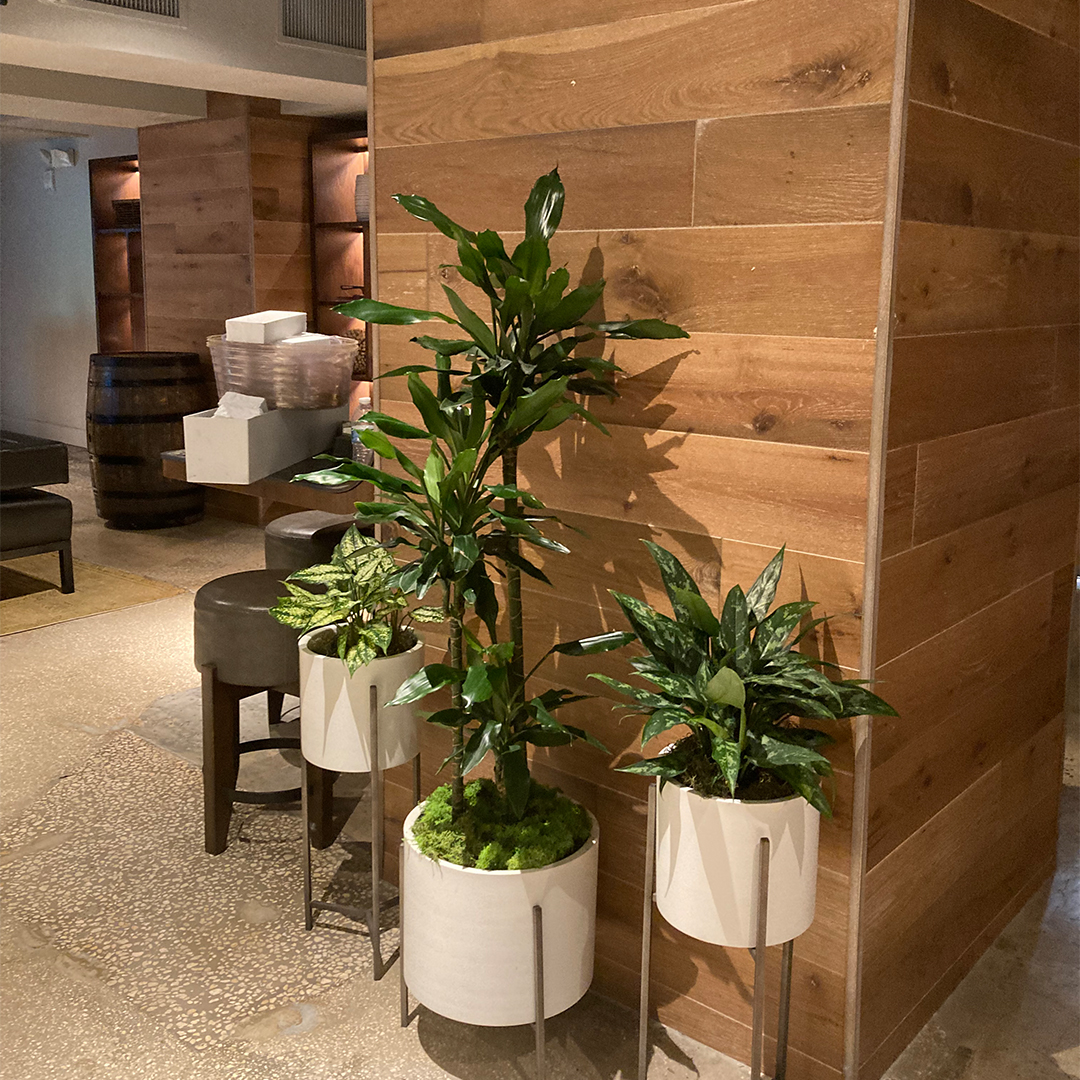
Green plants can completely transform an office – making it seem more inviting and pleasant. Yet for many office managers, keeping those plants alive quickly turns into a headache. Between busy schedules and inconsistent care routines, it’s no wonder so many office plants end up struggling.
Here are the five biggest challenges office managers face when maintaining plants as office décor—and how to overcome them.
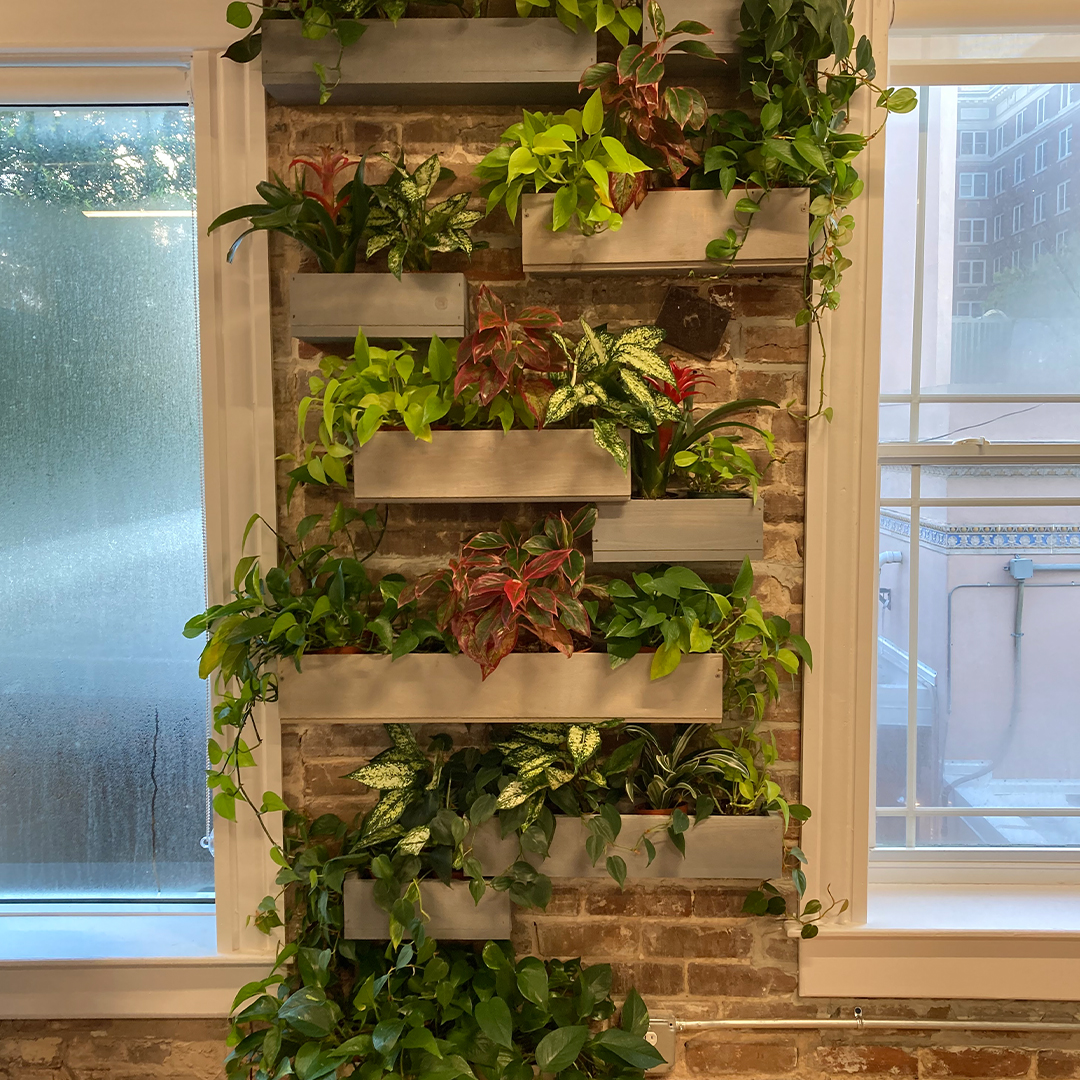
- Inconsistent Watering and Care: One of the most common issues is simple: watering. In a busy office, no one has time to track exactly when the plants were last watered. Some weeks, they’re parched; the next, they’re drowning. Different plants have different moisture needs, and if multiple people are responsible for care, consistency becomes almost impossible. Even hardy plants like pothos or snake plants can suffer if their watering schedule swings from drought to flood. Solution tip: Assigning one person or team to plant care can help—but it’s often still hit or miss unless they have some horticultural know-how.
- Poor Lighting Conditions: Office plants are often deprived of natural light. But even “low-light” plants like ZZ or peace lilies eventually need some daylight to thrive. Without the right balance of light and shade, plants can become listless – or simply stop growing.
Solution tip: Invest in full-spectrum grow lights for darker areas—but be aware this adds cost, setup, and maintenance responsibilities to your plate. - Pests and Plant Diseases: Pests are the last thing any office manager wants to deal with, yet even the cleanest office can attract them. Fungus gnats, spider mites, or mealybugs can spread quickly between plants. These infestations are not only unsightly—they can create unpleasant odors and frustrate employees. Most office staff aren’t trained to recognize early signs of disease or pest activity, so problems often go unnoticed until plants are beyond saving. Solution tip: Regular inspection is crucial. However, without expert knowledge, you may end up overusing pesticides or unnecessarily throwing out expensive plants.
- Temperature and Airflow Fluctuations: Office HVAC systems are designed for humans—not plants. Cold air vents, dry heat, or drafts from open doors can stress plants and stunt growth. Many tropical species commonly used for decoration are sensitive to temperature swings or dry air. Even the location of a plant—like being too close to a printer or under an air vent—can make the difference between lush and lifeless. Solution tip: Use a thermometer and humidity gauge to monitor conditions—but again, that adds one more task to an already full workload.
- Turnover and Neglect: One of the biggest hidden challenges is turnover. The person who used to water the plants lovingly may leave the company, or the office may be hybrid, leaving the plants unattended for days. With no consistent caretaker, even well-established plants can quickly deteriorate. And when they do, the space loses its inviting atmosphere—and replacement costs add up fast. Solution tip: Automating irrigation can help, but it comes with ongoing expense and oversight.
How Plant Leasing Solves Issues with Office Plants
Plant leasing services are a popular go-to solution for offices that want the benefits of greenery without the headaches.
With plant leasing, your business gets professionally selected and installed office plants—tailored to your space and aesthetic. Regular maintenance visits ensure consistent watering, pruning, pest control, and replacement of any plants that aren’t thriving. If a plant starts to fade, it’s swapped out—no cost, no stress. This approach completely removes the burden from the office manager’s to-do list. Leasing also makes it easy to refresh your décor seasonally, keeping your office environment dynamic and inspiring. In short, plant leasing lets you enjoy all the benefits of lush, living office plants—with none of the headaches.
If you are ready to learn more, call Tropex today.