Herb Living Walls for Restaurants
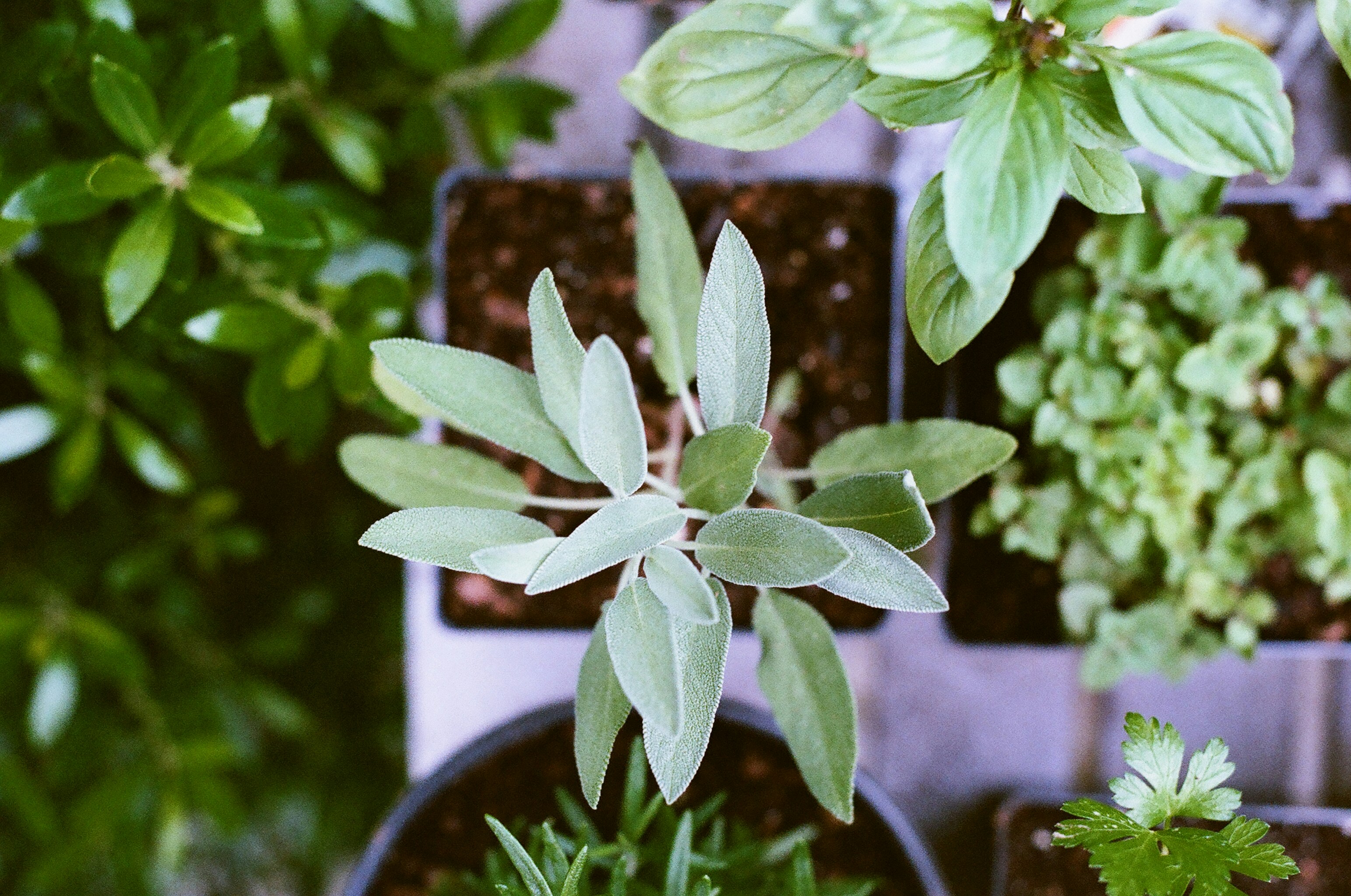
In today’s competitive restaurant industry, ambiance and food quality are vital in winning (and maintaining) customer loyalty. One innovation that beautifully combines both factors is the herb living wall — a vertical garden filled with fresh, aromatic herbs grown right on-site. These lush green installations do more than add visual appeal. For chefs, they’re a hyper-local source of fresh ingredients. For guests, they create a sense of connection to the food and the environment. And for owners, they’re a creative symbol representing freshness and sustainability.
Increasingly, trendy restaurants are turning to herb living walls. This article will discuss how you can incorporate one into your space.

Why Go Green with an Herb Living Wall?
- Fresh Ingredients at Your Fingertips: A living wall filled with herbs like basil, mint, thyme, oregano, and parsley provides chefs with instant access to fresh flavor. No more relying solely on refrigerated herbs that wilt or lose potency. With a quick snip, ingredients go straight from the wall to the plate, to the delight of diners. Fresh herbs will enhance the taste of your culinary creations – and reduce waste.
- Eye-Catching Aesthetic: Living walls are visually stunning. Whether it’s a centerpiece in your dining room or a backdrop behind the bar, a vertical garden creates a natural, inviting atmosphere that draws the eye and relaxes the mind. It shows guests you care about quality—not just in what you serve, but in the space you create.
- Sustainability Statement: Consumers increasingly value restaurants that take sustainability seriously. Herb living walls reduce the need for packaging, shipping, and refrigeration. They also help purify the air and add a touch of green design, aligning with eco-conscious values and enhancing your brand identity.
Best Herbs to Include
Not all herbs are equally suited to vertical growing or restaurant use. The best options are hardy, compact, and versatile to ensure the optimizing usage. Top picks include:
Basil: Great for Italian dishes, garnishes, and cocktails.
Mint: Ideal for desserts, teas, and refreshing summer drinks.
Parsley: A common garnish and ingredient in many cuisines.
Thyme: Adds depth to meats, soups, and sauces.
Oregano: Excellent for Mediterranean and Latin dishes.
Chives: A delicate onion flavor for salads, eggs, and sauces.
Cilantro: Essential in Latin American and Asian cuisine (just beware of guests with aversions).
Living walls are modular, meaning that you can rotate your herbs seasonally, or intersperse other greens and wildflowers for a striking visual.
Where to Place Your Herb Wall
As with every other aspect of design, the placement of your living wall matters. Herbs need light — ideally, natural sunlight or full-spectrum grow lights are best. Indoors, living walls thrive near windows or under dedicated lighting systems. Outdoors, a patio or facade wall can become a lush showcase for passersby and diners alike.
Make sure the wall is accessible to staff but out of reach from wandering hands if in guest areas. If your chef loves the idea of a living wall of herbs for their cooking – but don’t need the wall displayed – a small courtyard or garden off the kitchen is ideal. Living walls ensure that each herb is easily accessible, and its modular nature makes it easy to change plants when needed.
Maintenance and Considerations
While living walls are designed to be low-maintenance, they do require regular care:
Watering systems: Systems need automated irrigation and proper drainage to avoid leaks and overwatering.
Lighting: If indoors, appropriate grow lights will be needed to supplement sunlight.
Pest management: Herbs can attract gnats or aphids. Consider using organic pest control and monitor the wall regularly.
Harvesting routine: Assign staff to trim and rotate herbs to keep plants healthy and prevent overgrowth.
Did You Know? Partnering with a company that specializes in living walls for commercial spaces can simplify installation and maintenance. The plant care experts at Tropex are happy to explain the types of living wall systems that are available, as well as to install and maintain your system to ensure peak performance.
Herb living walls are more than a trend—they’re a smart, stylish way to connect culinary creativity with environmental consciousness. They enhance food quality, elevate your design, and tell a story that customers love to share.
For restaurants looking to stand out while staying sustainable, herb living walls offer a fresh solution. Call Tropex today to learn more.