Air Plants Deliver Unique Office Aesthetics
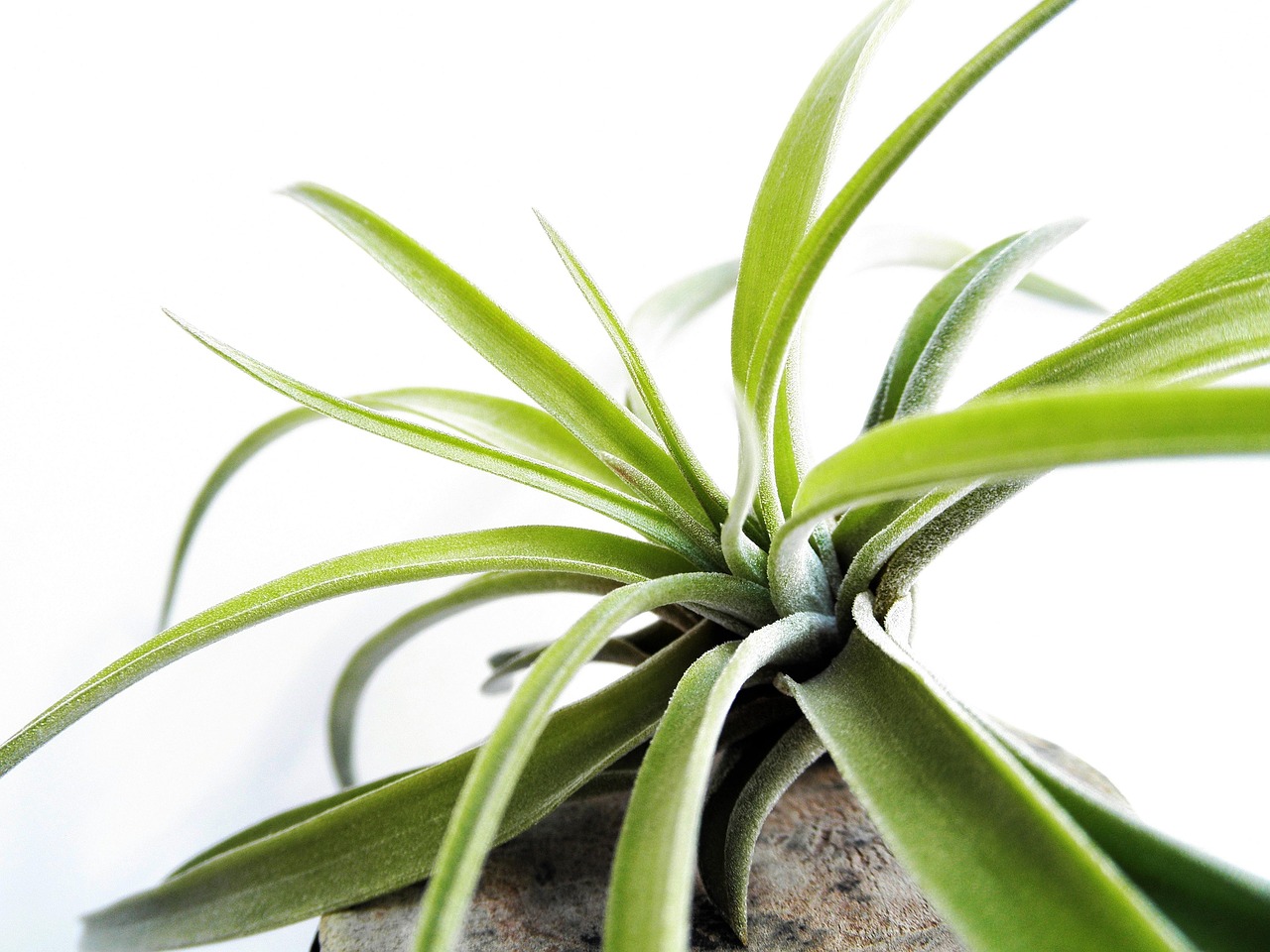
Air plants, also known as Tillandsia, are a fascinating group of plants that belong to the larger category of epiphytes. Epiphytes are plants that grow on other plants or surfaces without taking nutrients from their hosts. They are not parasitic and rely instead on air, rain, and debris for their nourishment. This category also includes some orchids, mosses, bromeliads, and ferns. Of these, air plants have gained popularity for indoor use due to their unique appearance, low-maintenance nature, and numerous environmental and aesthetic benefits.
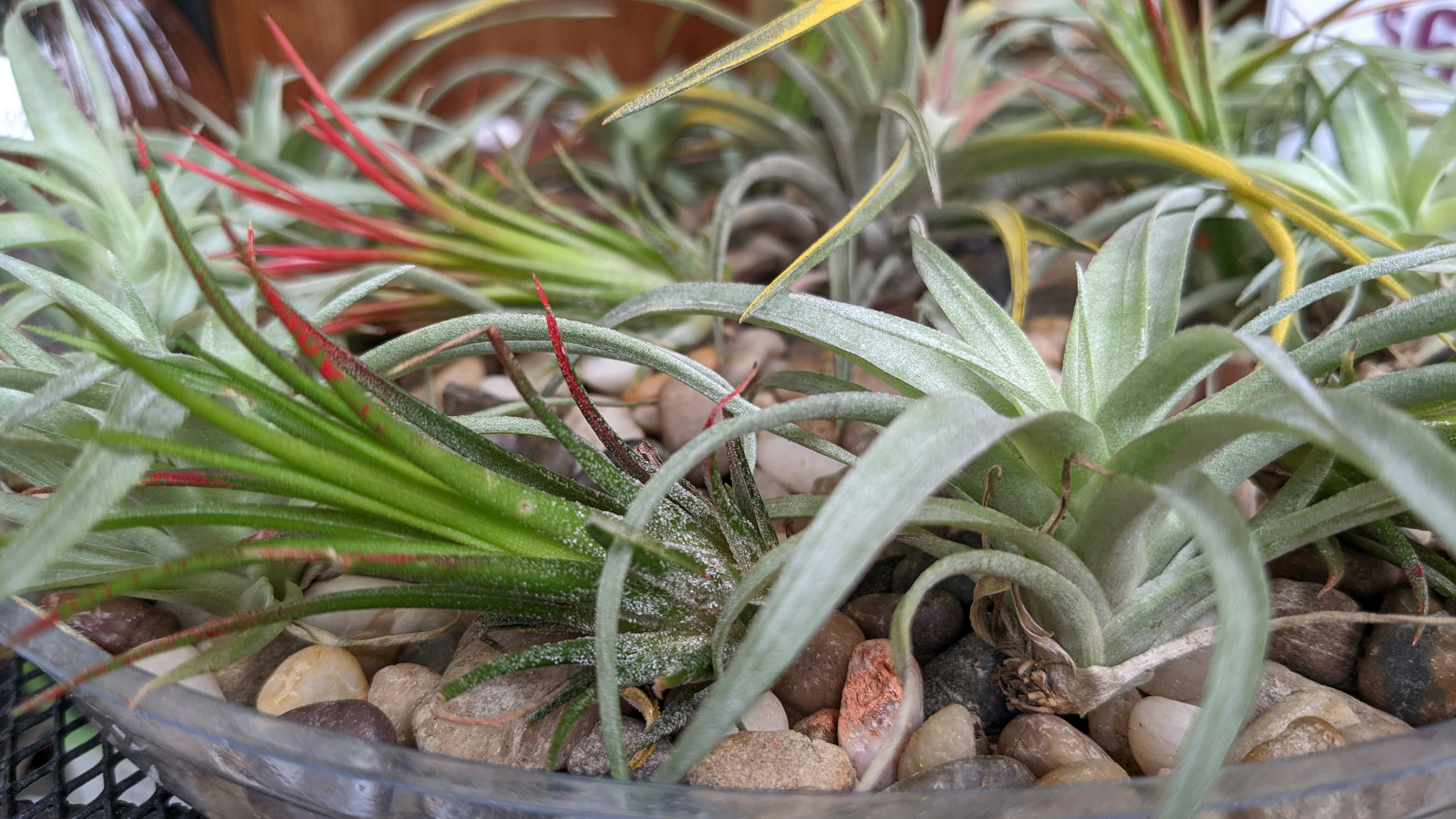
Air plants are native to forests, mountains, and deserts of Central and South America, the southern United States, and parts of the Caribbean. They are known for their ability to grow without soil, thanks to specialized trichomes—tiny hair-like structures on their leaves—that absorb moisture and nutrients directly from the air. Unlike traditional houseplants, these unique beauties use their roots only to anchor themselves to trees, rocks, or other surfaces.
There are over 600 species of Tillandsia, and they vary widely in shape, size, and color. Some have long, wispy leaves, while others are more compact and spiky. Many also produce striking, tubular flowers that can last for weeks, adding a splash of color to any space.
Benefits of Air Plants in Indoor Settings
Air plants deliver practical and aesthetic benefits in the workplace. One of their most significant advantages is their ease of care – they don’t require soil and thrive with just occasional soaking or misting. Imagine how much cleaner a plant without soil can be!
Did You Know? Plant leasing services handle every aspect of plant care, so you don’t have to.
Space-Saving Versatility: Since air plants don’t need soil, they can be displayed in highly creative ways: mounted on driftwood, suspended in glass terrariums, or attached to walls and vertical gardens. This allows for unique, space-efficient displays that can fit into virtually any office space.
Air Purification: Like many indoor plants, air plants contribute to air quality. While they may not be as powerful as large leafy plants, they absorb carbon dioxide and release oxygen – helping to freshen indoor air. Some studies suggest that epiphytes can also trap dust and airborne particles through their trichomes, subtly improving air cleanliness.
Aesthetic Appeal: Epiphytes offer a modern, minimalist aesthetic that complements a wide range of interior designs. They are uniquely sculptural, and look beautiful whether suspended from the ceiling or arranged on an office shelf. Because of their versatility, they allow business owners to create one-of-a-kind displays that elevate their environment.
No Soil, No Pests: Since these plants don’t need soil, they are less susceptible to common indoor pests – like fungus gnats or root rot. This makes airplants a cleaner, less fussy option for indoor environments, especially in places like offices, bedrooms, or kitchens.
Are They Good for the Office?
The ability of air plants and other epiphytes to grow without soil – combined with low care requirements and aesthetic versatility – makes them particularly appealing in modern working environments. For anyone seeking a stylish and sustainable way to bring greenery indoors, air plants are an excellent choice.
If you are responsible for workplace decor, air plants are a uniquely beautiful option. We invite you to call Tropex to set up an initial consultation. We will evaluate your space and listen to your ideas, then help you to design an interior plant installation that beautifies the space and represents your culture.
Whether air plants or palm trees, the plants you choose will be professionally maintained by our team. Your plants will always look fresh, healthy and vibrant. Call today to learn more about plant leasing services from Tropex.