Plant Leasing Basics: How it Works
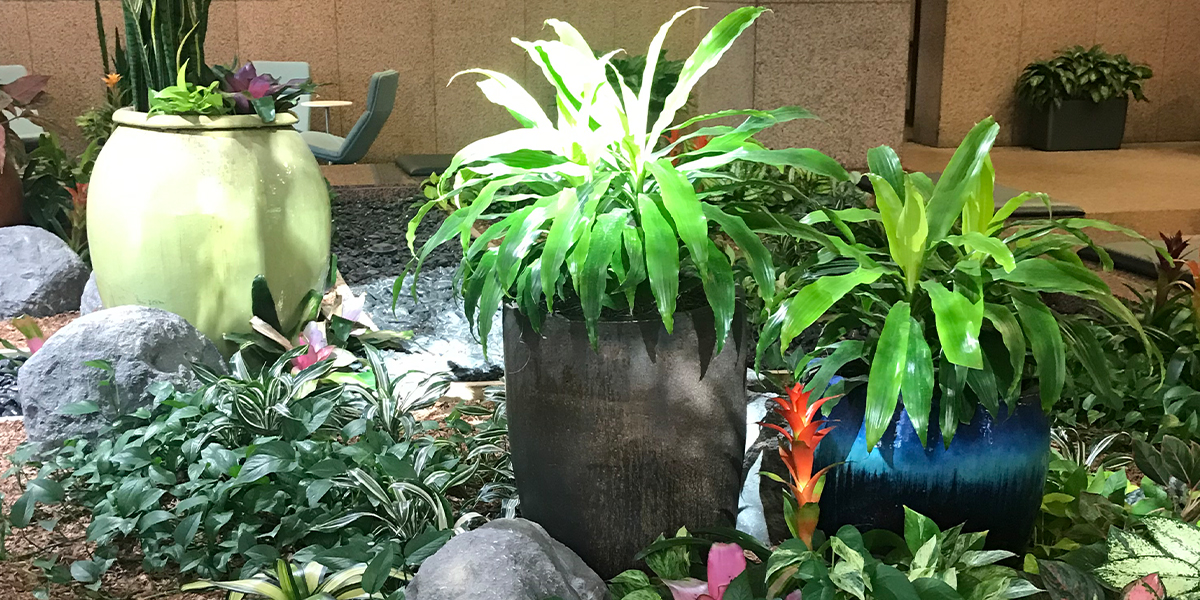
Whether potted palms in a hotel lobby or orchids in an upscale retail space, plants make every business more inviting. But you may not realize that in most cases, the plants that adorn these spaces are actually leased (not owned.) Plant leasing is a practical solution for Florida businesses that want to elevate their environment without the hassle of ongoing care and maintenance. The arrangement offers flexibility, cost-effectiveness, and professional results – but what exactly are the plant leasing basics you need to know?
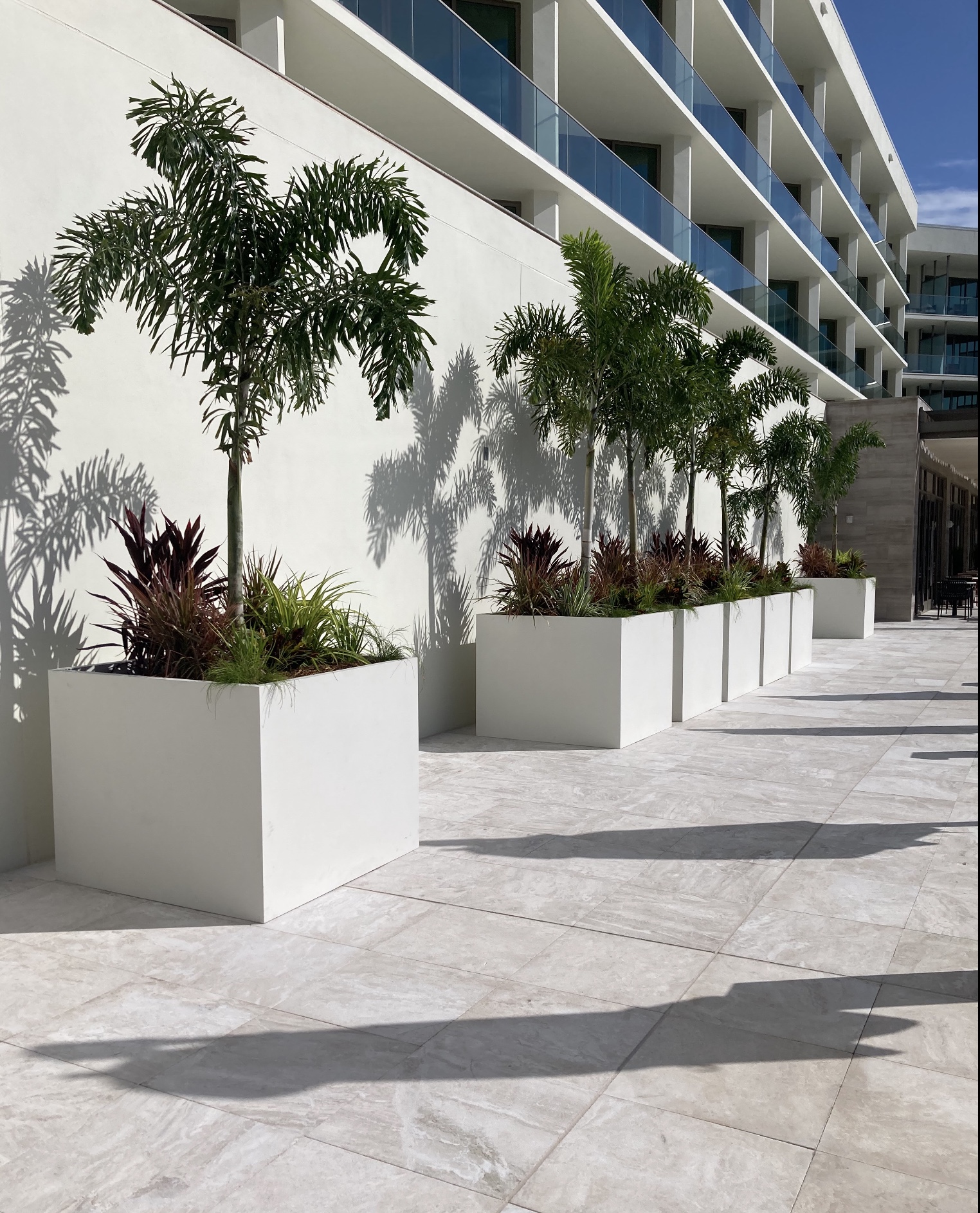
What Is Plant Leasing?
Plant leasing is a service where a business rents live plants and has them professionally maintained. The leasing company takes care of delivery, setup, and routine care, so you don’t need to worry about watering schedules, pests, or replacing dying plants.
Most plant leasing agreements are monthly or annual and include maintenance visits to keep the greenery healthy and looking great. If a plant starts to decline, the company replaces it—no extra cost, no stress.
Leasing Basics: What’s Included? The first step in plant leasing is typically a site visit. During this visit, a professional will assess the layout and lighting conditions at your workplace and talk about your design goals. Based on that visit, they’ll recommend specific plant types and container styles that will thrive in your environment.
Once the proposal is approved, the professional team will install the plants and begin regular maintenance. This usually includes:
- Watering and fertilizing
- Pruning, dusting, and cleaning
- Rotating plants if needed
- Replacing any unhealthy or damaged plants
- Seasonal upgrades or plant swaps keep the look fresh and are a nice touch during holidays or special events.
Who Uses Plant Leasing?
Plant leasing is common in a variety of Florida settings — offices, medical buildings, condos, banks, airports, hotels, restaurants, retail stores, and many more. Any business that wants a polished look but doesn’t have the staff or expertise to care for plants can benefit from leasing.
It’s especially useful in high-traffic or public-facing areas, where first impressions matter. Well-maintained greenery makes a space feel more professional, welcoming, and vibrant.
- Why Lease Instead of Buy?
There are a few clear advantages to leasing instead of purchasing: - No large upfront cost: You don’t have to invest in dozens of plants, containers, or equipment.
- Professional results: Experienced horticulturists know which plants will thrive in your space and how to keep them looking their best.
- Consistent appearance: Plants are monitored and replaced as needed, so they never look neglected.
- Time savings: Your team doesn’t need to worry about watering, trimming, or cleaning up leaf drop.
- Leasing also offers flexibility. If you update your space, move locations, or just want a new look, you can easily change your plant plan without having to sell or dispose of anything.
How the Process Works
Here’s a simple overview of what to expect:
- Consultation: A plant leasing provider visits your location, takes measurements, and talks with you about the look you’re going for.
- Proposal: You’ll get a plan that includes plant types, pot styles, service frequency, and pricing.
- Installation: Once approved, the plants are delivered and arranged professionally.
- Ongoing care: A technician visits regularly to take care of the plants and replace any that don’t thrive.
- Support: If you ever want to make changes, just call your provider—they’ll help adjust your setup as needed.
Plant leasing makes it easy to integrate live greenery into your business space – without taking on the responsibility of plant care. It’s cost-effective, low-maintenance, and makes a real impact on how people feel.
Whether you’re furnishing a new office or updating a common area, these plant leasing basics can help you create a more professional and inviting environment. Call Tropex today to learn more about our local plant nursery and plant leasing services.