Designing Jungle‑Inspired Spaces Without the Chaos
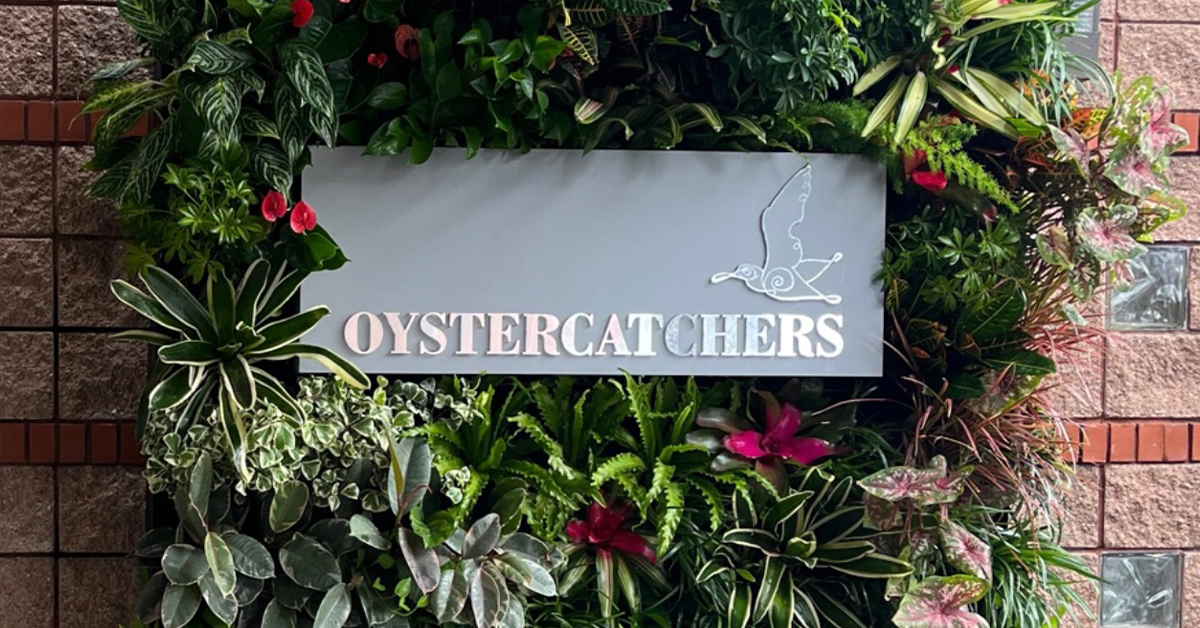
Is it possible to create a lush, jungle-inspired environment without turning your commercial space into a tangled mess? Absolutely. The key lies in strategic planning and plant selection. Start by choosing plants that thrive in low-light conditions and are manageable for interiors, such as snake plants, philodendrons, and bromeliads. These plants add volume and texture, creating a vibrant atmosphere that feels both natural and curated. Consider grouping plants of varying heights and leaf shapes to mimic the layers found in a rainforest while maintaining clear pathways and open spaces for movement.
Integrating vertical elements like wall-mounted planters or tall trees can amplify the visual impact without overwhelming the layout. It’s also essential to factor in Florida’s sun and humidity, choosing plants that can handle indoor air conditioning while still benefitting from the region’s natural climate. Implementing a professional plant maintenance schedule ensures that your greenery stays healthy and consistent, preventing overgrowth and keeping your jungle-inspired design looking both dynamic and tidy.
Balancing Bold Design with Functionality
In commercial spaces like offices, malls, and airports, plants can make a powerful statement that nurtures productivity and relaxation. The art lies in balancing bold design with practical functionality. When leasing plants for these environments, it’s crucial to consider visual impact and ease of maintenance.
Start by choosing plants with striking features. Consider plants with unique leaf shapes, vibrant colors, or impressive height. These options can draw attention and create a sense of dynamism within a space. For example, Bird of Paradise or Alocasia varieties can serve as bold focal points in a lobby or waiting area.
However, while choosing visually interesting plants is important, they also need to thrive in their surroundings. In Florida’s climate, where heat and humidity are significant factors, consider which plants are best suited for indoor life. Plants like Rubber Plant and Peace Lily thrive in such conditions and require less constant sunlight, making them ideal for various commercial settings.
Strategic placement ensures that your chosen plants fulfill both aesthetic and functional roles. Tall plants can add drama to corners or tall ceilings, while smaller ones might complement reception counters or conference tables. Consider foot traffic patterns: high-traffic areas need robust plants that can withstand occasional contact without damage.
Maintenance is another key aspect. Sturdy and resilient plants reduce the need for frequent interventions, and selecting a professional service to manage upkeep can keep the plants looking their best. Tropex provides regular plant care, including watering, pruning, and fertilizing, ensuring each plant remains healthy and vibrant over time.
Lastly, think about how plants can contribute to the space beyond appearance. Plants improve air quality and introduce natural elements, which can positively impact your clients’ and employees’ well-being. Well-chosen and well-placed plants subtly boost mood and productivity, adding value beyond their decorative appeal.
Plant Layering Techniques and Visual Hierarchy
Creating an inviting and visually appealing environment in commercial spaces involves more than just placing a few plants. It’s about crafting a visual hierarchy through strategic plant layering techniques. In South and Central Florida’s commercial properties, these techniques take advantage of the region’s unique conditions and enhance the aesthetic and functional qualities of indoor spaces.
Begin by selecting plants of varying heights, textures, and shades of green. Each layer in your arrangement serves a purpose. Tall plants such as palms are ideal as background elements; they draw the eye upward and can frame spaces. Adding layers of mid-height plants—a range that includes rubber plants or crotons—provides a necessary bridge between the tall background and the shorter foreground elements. Ground level plants like pothos or ferns fill in gaps and soften edges, tying together the visual masterpiece.
Texture is equally crucial. Mixing shiny, smooth leaves with rough, jagged foliage creates visual interest and depth. Think about combining the glossy leaves of a ficus with the feathery texture of asparagus fern. This tactile contrast attracts attention and makes spaces feel dynamic.
Color should not be overlooked despite the predominance of greenery. Select plants with various shades of green and subtle hues of red or yellow as seen in plants like calatheas or dracaena marginata. This slight color variation breaks monotony, imparting a lively edge.
In high-traffic Florida locations, durability is key. Choose hardy plants that can withstand fluctuating temperatures and occasional neglect. Dracaenas, snake plants, and ZZ plants thrive under such conditions, proving resilient even with sporadic care.
Remember that regular maintenance ensures each layer remains a strong contributor to the whole. Scheduled pruning keeps shapes intentional and prevents any overcrowding. Dust leaves regularly, especially in busy areas, to maintain a fresh look.
By integrating these practical layering and hierarchy techniques, businesses can transform their spaces into cohesive, thriving environments that are both beautiful and enduring.
Maintenance Tips for Dense Interior Landscapes
Managing dense interior landscapes in commercial settings requires careful planning and regular upkeep. These environments, often filled with various plant species, need specialized attention to thrive.
In humid places like South and Central Florida, humidity and temperature management becomes crucial. Dense plant areas can trap heat and moisture, potentially leading to mold or plant diseases. Make sure the space has adequate ventilation. Use fans or climate control systems to keep air circulating. This helps regulate temperature and dispels excess moisture, offering a healthier environment for both plants and employees.
Proper watering is another critical aspect. In a dense interior landscape, plants may have different watering needs. Arranging plants with similar requirements together can save time and prevent neglect. Use a moisture meter to monitor soil levels and water accordingly. Overwatering can drown plant roots in high humidity regions, so always check soil moisture before adding water.
Regular pruning prevents overcrowding and ensures each plant receives enough light. Without it, taller plants can overshadow shorter ones, leading to uneven growth. Dead or diseased foliage should be removed promptly to maintain the health of the entire display.
Feeding your plants is equally important. Commercial spaces often see higher growth demands due to artificial lighting. Use a slow-release fertilizer suited for indoor plants. This will provide nutrients over time without the need for frequent feedings.
Pest control can be challenging in dense layouts where pests can quickly spread. Regular inspections help catch infestations early. Opt for natural pest control methods whenever possible to minimize chemicals in workplaces.
Finally, aim for routine maintenance checks. Schedule these regularly to replace any struggling plants, refresh soil, and reassess your layout. These checks help maintain the visual appeal and health of your interior landscape over time. By investing in consistent care, your dense interior plantings will remain vibrant and beneficial to those who interact with them daily.
Takeaways
Designing jungle-inspired spaces in commercial settings can be both rewarding and challenging. By strategically selecting suitable plants and carefully planning your design, you can achieve a lush and inviting environment without sacrificing order. Remember that thoughtful placement and regular maintenance contribute significantly to keeping your space both beautiful and functional.
Plant leasing offers a practical solution for seamlessly integrating greenery into your business environment. It ensures your installations remain vibrant and well-maintained without added stress to your team. This approach allows you to focus on what you do best—managing your business—while professionals ensure your plants thrive.
To see how a jungle-inspired design can transform your space, consider seeking expert help. Contact Tropex for a free quote or consultation. Our specialists can assist with plant selection, design guidance, and ongoing maintenance plans tailored to your business needs in South and Central Florida.