Designing Office Spaces for Hybrid Work with Greenery
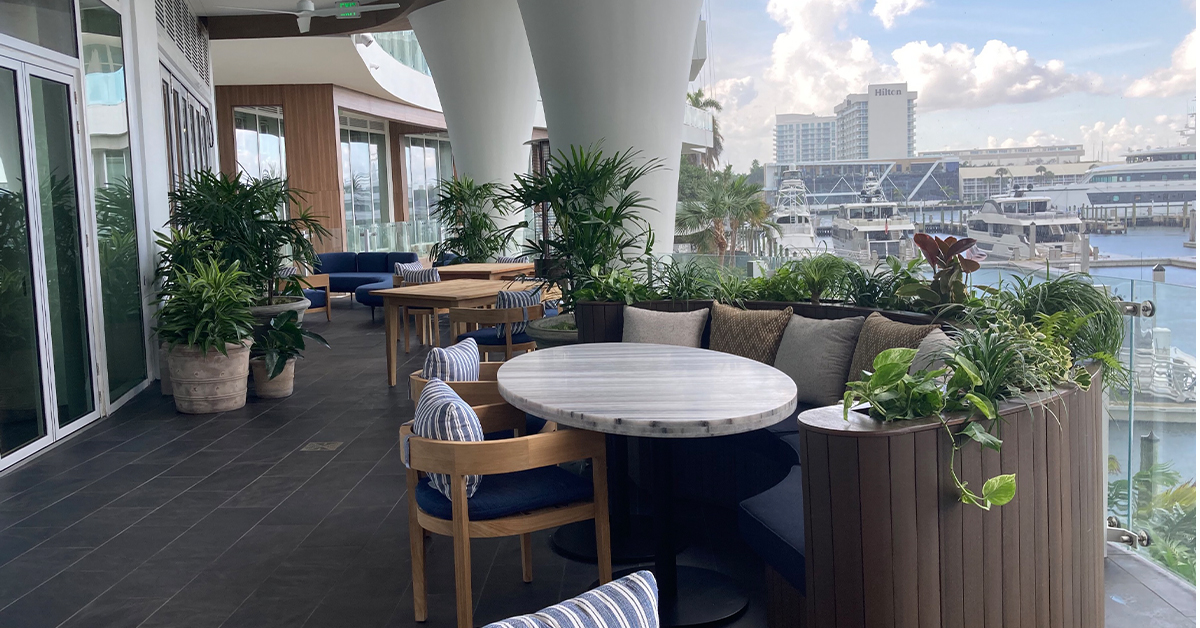
How does greenery fit into the hybrid office model? As work environments evolve to accommodate both remote and in-person employees, creating a flexible and appealing office space is key. Integrating live plants into these environments offers more than aesthetic benefits. Studies have shown that plants improve air quality, reduce stress, and enhance productivity, making them a smart choice for hybrid workspaces.
Hybrid offices must balance functionality with comfort. By strategically placing plants, you can effectively define work zones while softening the transition between open and closed spaces. Ferns, palms, and other hardy indoor plants thrive in South and Central Florida’s climate and can handle the high traffic of corporate settings. They bring nature into otherwise sterile environments, helping employees feel more relaxed and focused.
Choosing the right plants and maintaining them properly ensures they remain a vital part of the office ecosystem. A regular maintenance schedule is crucial to keep plants healthy and visually appealing, adapting to seasonal changes and maintaining their vibrancy year-round. In a setting where flexibility is valued, thoughtfully-designed green spaces can boost both employee well-being and productivity.
Green Design for Flexible Work Models
Creating a work environment that adapts to flexible work models involves integrating elements that support both functionality and employee well-being. Green design, with its focus on incorporating natural elements, plays an important role in this transition, especially in commercial spaces. It is not just about aesthetics; it’s about creating a productive and pleasant workplace.
One of the key strategies in green design is using live plants to improve indoor air quality. Plants like the snake plant and peace lily are effective in filtering airborne toxins, helping to maintain a healthier workspace. In Florida’s climate, selecting plants that thrive in humidity while being relatively low-maintenance is crucial. This ensures they flourish without demanding constant attention, aligning with the dynamic nature of flexible work settings.
Incorporating green design doesn’t have to mean significant overhauls. Mobile green walls or small planters can transform any office nook into a lush, welcoming area. These elements can be rearranged with ease, supporting both open collaborative spaces and private work pods, accommodating the fluid nature of flexible workstations.
Lighting is another consideration. Natural light should be maximized as it significantly impacts productivity and mood. When planning or rearranging spaces, ensure that plant placement does not obstruct light sources. Use adjustable blinds or shades to control the natural light that enters the room, providing the right balance of sunlight for both plants and employees.
With fluctuating occupancy, like in hybrid work models, maintaining plant health can be a challenge. Pairing with a professional plant leasing service can help manage this by ensuring regular maintenance, keeping plants vibrant and healthy. These services typically include watering, pruning, and replacing plants as needed, relieving staff from these duties.
Green design in flexible work models bridges the gap between sustainability and functionality, enhancing the workplace and supporting employee well-being in a practical manner.
How Plants Improve Mood and Productivity Remotely
Integrating plants into commercial interiors can substantially improve mood and productivity. Research shows that greenery impacts human psychology positively, promoting a sense of calm and reducing stress. In an office, this translates to a more pleasant environment and enhanced focus.
Plants naturally purify air, removing toxins and increasing oxygen levels. This creates a fresher atmosphere that can help reduce headaches and other ailments common in stale indoor environments. Employees often report feeling revitalized and more energetic, contributing to higher productivity levels.
Consider the visual appeal of plants as well. Strategic placement of greenery can break the monotony of artificial and hard surfaces that dominate office spaces. Vertical gardens or potted plants add texture and color, offering visual stimuli that can invigorate the mind. Using plants with soothing colors like green can reduce eye strain from monitors and improve concentration.
When selecting plants for your office or commercial space, it’s important to choose species that thrive indoors. Snake plants, pothos, and ZZ plants are excellent choices, requiring minimal sunlight and upkeep. These plants perform well in Florida’s climate, which can sometimes be overpowering for less resilient species.
Regular maintenance ensures that plants remain lush and vibrant, which is vital to sustaining their mood-boosting benefits. Tropex provides this ongoing care, checking for water needs, pruning dead leaves, and assessing overall plant health. Well-cared-for plants not only look better but also continue providing environmental benefits.
Placing plants strategically around the office is crucial. Desks, entryways, and communal areas should all have some form of greenery. Not only do these locations maximize the plants’ visibility, but they also ensure more employees experience the benefits. Giving staff the opportunity to care for specific plants can foster a sense of ownership and connection with their workspace, enhancing morale further.
While the benefits of plants in traditional office settings are clear, their positive impact on remote workspaces shouldn’t be overlooked. Remote workers may face isolation, but indoor plants can create a lively, inviting environment. A home office with plants can boost creativity and motivation, providing the same advantages as a traditional setting.
Adapting Biophilic Principles to Changing Layouts
Integrating biophilic design principles into commercial spaces can enhance both aesthetics and employee well-being. Business environments often undergo layout changes due to expansion, renovation, or simply a fresh design approach. Here are some practical strategies to maintain biophilic elements as your layout evolves.
First, assess natural light sources. If you’re rearranging office furniture or structures, consider how light enters the space. Ensure large plants are not blocking windows, and use mirrors to reflect light into darker areas, supporting plant health and reducing the need for artificial lighting. In Florida’s sunlit environment, aim to filter direct sunlight to prevent plant stress from excessive heat.
Another key element is flexible plant placement. Choose portable planters or vertical gardens that can be easily moved. When layouts shift, these adaptable solutions allow you to quickly maintain greenery. Portable planters enable you to experiment with different arrangements and find optimal spots for plant vitality.
Use plant varieties that thrive indoors and adjust easily to new settings. Species like pothos, snake plants, and ZZ plants are hardy and adapt well to changes in their environment. They also handle a variety of lighting conditions, making them ideal for offices where daylight varies.
In interconnected office spaces, create plant clusters to foster shared community spots. This can be done with groupings of plants that frame communal areas such as break rooms or meeting spaces, enhancing social interaction and relaxation.
Integrate water features if possible. These not only complement the natural aesthetic but also provide humidity, beneficial for plant health, particularly in air-conditioned environments common in South and Central Florida.
Finally, involve employees in caring for these living elements. Encourage them to be part of the plant care process, fostering a connection between people and nature that supports the biophilic ethos. This engagement can improve morale and create a more harmonious workspace.
By embracing these methods, businesses can successfully adapt biophilic design principles to their continuously changing office layouts, promoting a healthier, more inviting environment.
Takeaways
Integrating greenery into your hybrid office space offers more than just visual appeal. It supports a flexible and employee-friendly environment that aligns with today’s evolving workplace dynamics. As you consider transitioning or enhancing your office design, remember the practical benefits plants offer, from improving air quality to boosting employee mood and productivity. Regular maintenance is key, but it doesn’t have to be a burden with the right support.
Leveraging a professional plant leasing service like Tropex ensures your office plants remain healthy and vibrant without additional strain on your resources. Tropex specializes in finding the right plants for your specific environment, providing ongoing care to adapt to seasonal changes, and maintaining an optimal atmosphere.
To explore how plant leasing and maintenance can transform your office, contact Tropex for a free quote or consultation. Our team can assist in designing a green space that enhances employee well-being and complements your work model’s flexibility. Let Tropex help you create a thriving, adaptable workspace with expertly managed green solutions.