Overwatering the Plants in Your Office or Commercial Space
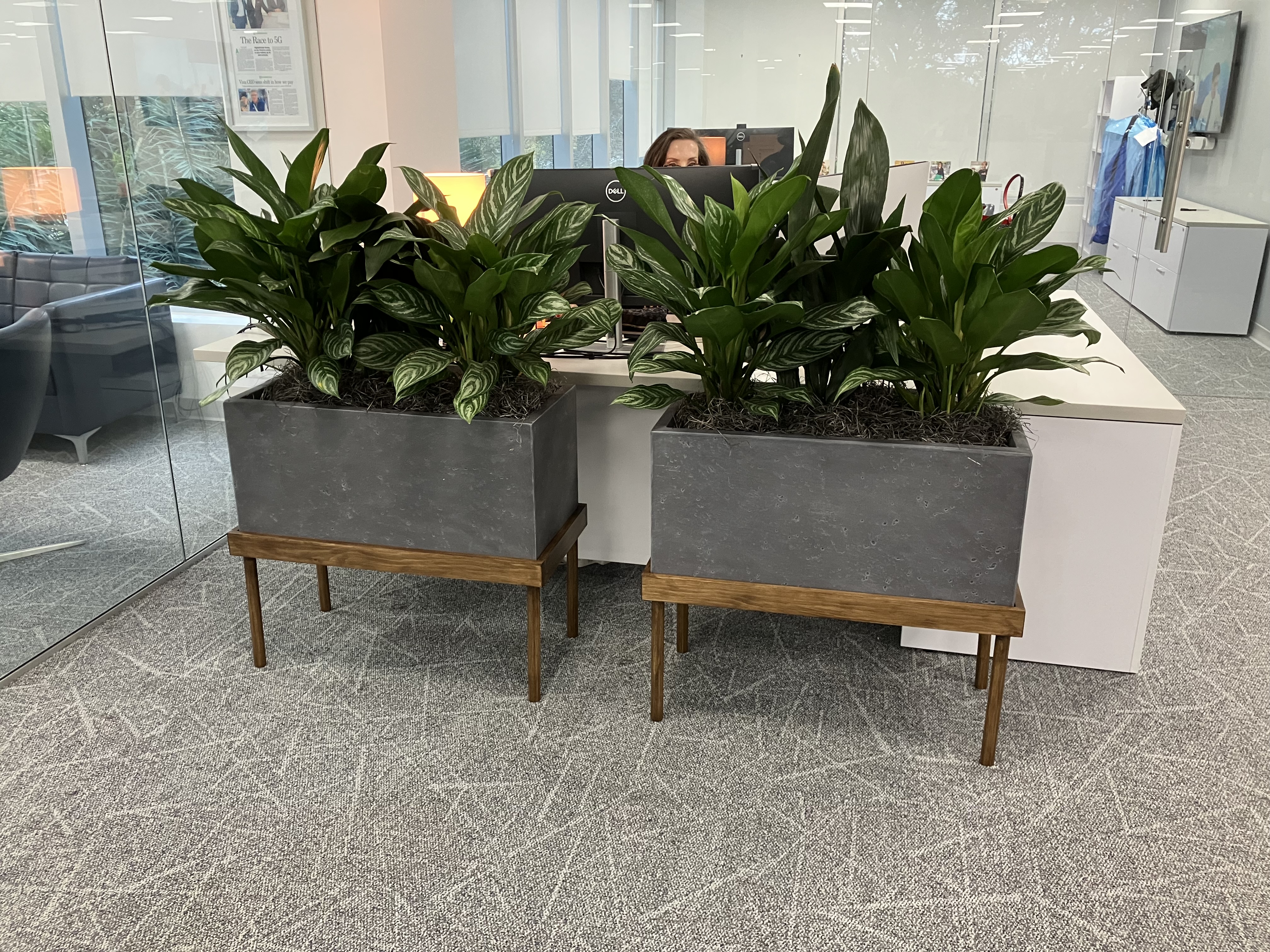
Live plants can completely transform an office or commercial space. They improve air quality, reduce stress, and make your business feel more welcoming and vibrant. But while many people worry about not watering enough, overwatering is actually one of the most common (and damaging) mistakes when it comes to indoor plant care.
So how do you know if you’re overwatering your office plants? Let’s break down the signs and what you can do about it—plus how a professional plant leasing service can take this entire responsibility from you.
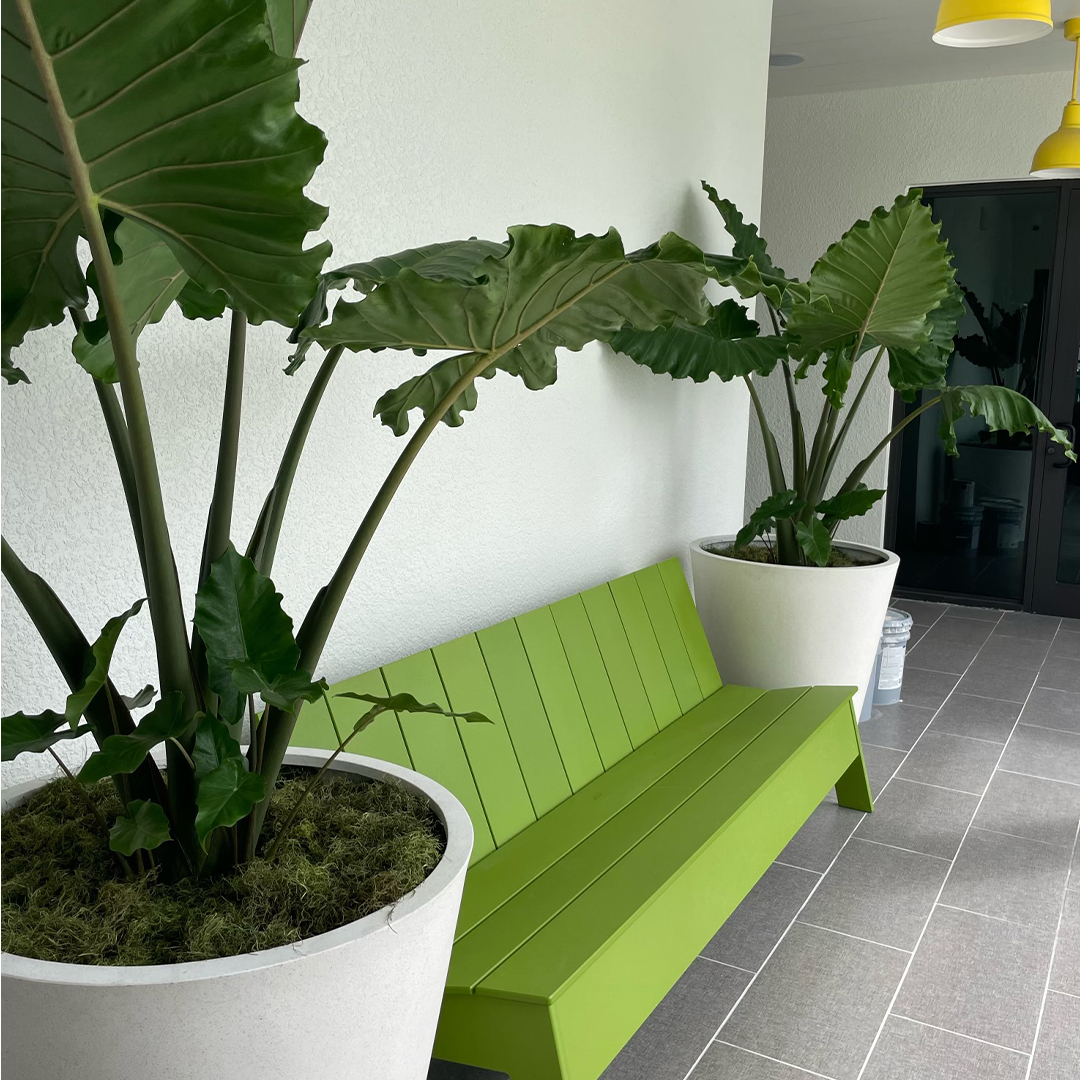
Common Signs of Overwatering
Yellowing Leaves: If your plant’s leaves are turning yellow and dropping off, your first instinct might be to water more. Ironically, that’s often the problem. Overwatered plants have waterlogged roots that can’t absorb nutrients properly, which leads to nutrient deficiencies—especially nitrogen—and shows up as yellow, limp foliage.
Wilting Despite Wet Soil: It’s easy to mistake wilting for dryness, but if the soil is wet and the plant is drooping, it’s probably suffering from too much water. Overwatering suffocates roots by filling air pockets in the soil, preventing the plant from breathing.
Mushy Stems or Root Rot: If the lower parts of the plant feel soft or mushy, or if the base of the stem looks dark or smells foul, that’s a serious sign of rot. Root rot caused by excess moisture is often irreversible and can quickly kill a plant if not addressed.
Fungus Gnats and Mold: Overwatered soil becomes a breeding ground for fungus gnats—tiny flying insects that hover around plant pots. You may also see white mold or a fuzzy layer forming on top of the soil. These are both signs that the soil is staying too damp for too long.
Soil Never Dries Out: Healthy plant soil should go through cycles of wet and dry. If your soil always feels wet or soggy to the touch, or if water sits on the surface and doesn’t soak in quickly, your watering habits likely need adjusting.
Why Overwatering Happens in Commercial Spaces
Office and commercial environments pose unique challenges for plant care. Often, multiple staff members water the plants, or plants get watered on a fixed schedule without checking the actual soil moisture. Other times, well-intentioned employees assume more water means more love—which unfortunately isn’t true for most plants.
Inconsistent lighting, poor drainage in decorative containers, and HVAC systems that alter humidity levels can also affect how often a plant actually needs water.
How to Prevent Overwatering
- Check soil moisture before watering by sticking your finger about an inch into the soil. If it’s still moist, hold off.
- Use pots with drainage holes to allow excess water to escape.
- Water according to plant type, not just on a schedule. A succulent needs far less water than a peace lily.
- Train designated staff or hire professionals to manage plant care consistently.
Take the Guesswork Out with Plant Leasing Services
Here’s the good news: if you’re tired of guessing whether you’re overwatering—or just want stunning greenery without the stress—a professional plant leasing service is the perfect solution.
Plant leasing companies not only provide beautiful, high-quality plants tailored to your space, but they also handle all of the maintenance, including watering, pruning, cleaning, fertilizing, and replacing any plants that don’t thrive. For property managers and office administrators, this means:
- No more worrying about who’s watering (or overwatering) the plants
- No budget surprises (leasing is typically a flat monthly cost)
- Your space always looks professional and well-maintained
Overwatering may be common, but it’s completely avoidable with the right knowledge—or even better, with the right support. A plant leasing service takes all the guesswork out of your hands, so you can focus on what you do best while your space stays green and healthy. Tropex provides quality and professional plant leasing services in Sarasota and Manatee counties – and beyond.